
Porn Addiction Therapy in Texas
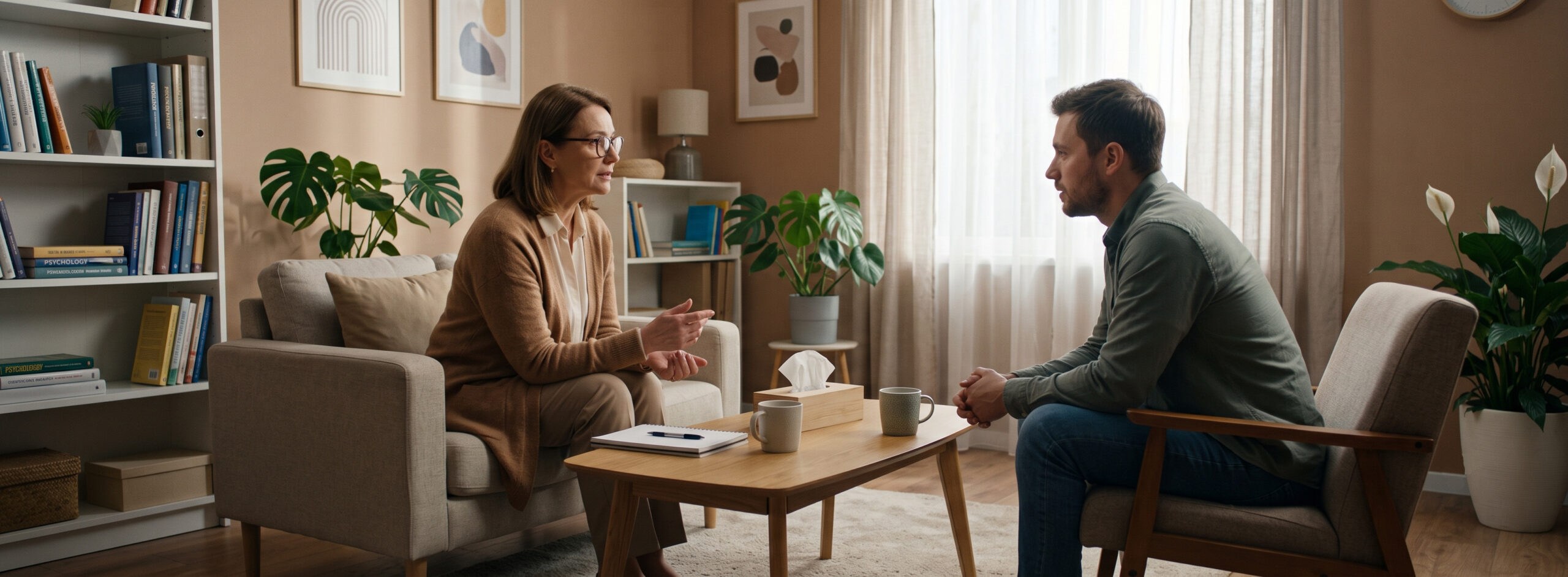
Texas is a big state, and when you’re struggling with something as private as pornography, it can feel even bigger. The nearest specialist might be hours away. The counselor down the road might not understand your faith or your values. And the thought of sitting in a waiting room where someone from church, work, or your kids’ school could see you is enough to keep many people from ever making the call.
So the struggle stays hidden. Months turn into years. The secret quietly wears down your peace, your marriage, and your sense of who you are.
It doesn’t have to stay that way. LDS Hope & Recovery provides confidential, online porn addiction therapy in Texas for individuals and couples who are ready for real change. Our approach combines practical, research-informed recovery tools with sincere respect for faith and family. Whether you live in Houston, Dallas, Fort Worth, Austin, San Antonio, El Paso, Lubbock, or a small town off a farm road, you can meet with us from home. Call 888-200-7951 for a free, no-pressure consultation.
When Porn Becomes More Than a Bad Habit
Most people who eventually seek porn addiction therapy in Texas didn’t set out to develop a problem. It usually builds slowly. A few minutes becomes an hour. Occasional use becomes a nightly routine. Content that once felt shocking starts to feel ordinary, and the brain begins looking for something more.
Here are some signs that pornography use has moved beyond your control:
- You keep returning to porn even after promising yourself, your spouse, or God that you’d stop
- You use it to cope with stress, boredom, rejection, or loneliness
- You’ve lost track of time, sleep, or work because of it
- You feel a strong pull toward it when you’re alone or tired
- You’ve hidden devices, cleared histories, or lied about your use
- Your interest in real intimacy with your spouse has changed
- You feel shame and relief at the same time, and the cycle keeps repeating
If you recognize yourself in this list, please don’t read it as a verdict on your character. Read it as information. It tells you that the problem has a pattern, and patterns can be changed with the right help.
What a Porn Addiction Therapist in Texas Actually Does
Many people have never been to therapy and aren’t sure what to expect. Others tried counseling once and left feeling misunderstood. Here’s a straightforward look at how our work typically unfolds.
The first conversation. Your free consultation is a chance to share what’s going on, ask questions, and find out if we’re a good fit. There’s no pressure and no obligation.
The early sessions. Once you begin, your porn addiction therapist in Texas will get to know your history, your current habits, and your goals. Together you’ll map out the triggers that tend to lead to a relapse, such as certain times of day, emotions, places, or apps. You’ll also build a simple plan for what to do when urges hit, so you’re not relying on willpower in the moment.
The middle stretch. As the immediate crisis settles, the work goes deeper. This is where we explore why pornography became a coping tool in the first place. For some, it traces back to early exposure as a child. For others, it’s tied to anxiety, depression, loneliness, or unresolved pain. Healing those roots is what turns short streaks into lasting change.
Long-term growth. Eventually, recovery becomes less about avoiding porn and more about building a full, connected life. Clients strengthen relationships, rediscover hobbies and purpose, and often feel their faith and self-respect come back to life.
Throughout the process, we treat relapses as learning opportunities instead of failures. Honesty matters far more than a perfect record.
Porn Addiction Marriage Counseling in Texas
Pornography rarely stays a private issue once someone is married. Even when a spouse doesn’t know the details, they often feel the effects: emotional distance, irritability, secretiveness, or a sense that something isn’t right. And when the truth comes out, the impact can be devastating.
Many wives describe discovery as a kind of trauma. They question their own attractiveness, their memories, and whether anything in the marriage was real. Some begin checking phones and histories compulsively, not because they want to control their husband, but because they no longer feel safe. These reactions are normal responses to betrayal, and they deserve care, not dismissal.
That’s why porn addiction marriage counseling in Texas works best when it supports both people. At LDS Hope & Recovery, we typically recommend a sequence like this:
- Individual recovery work for the spouse struggling with pornography, focused on stopping the behavior and understanding what drives it.
- Individual support for the betrayed spouse, with space to process the hurt, set healthy boundaries, and regain a sense of stability.
- Joint sessions once both partners are ready, focused on honest disclosure, rebuilding trust, improving communication, and restoring emotional and physical closeness.
In couples sessions, you’ll learn how to talk about recovery without every conversation turning into a fight. You’ll practice transparency that feels safe for both of you. And over time, you’ll rebuild the friendship and trust that the addiction eroded. Many couples tell us their marriage became more honest and connected than it had ever been.
How to Choose Porn Addiction Counselors in Texas
If you’re comparing porn addiction counselors in Texas, the choice can feel overwhelming. A few questions can help you find someone who is genuinely equipped for this work:
- Is this a specialty or a sideline? Pornography addiction has unique dynamics. A counselor who focuses on it will recognize patterns a generalist might miss.
- Do they support the spouse, too? Effective care considers the whole family, not just the person struggling.
- How do they handle relapse? Look for someone who responds with accountability and compassion, not shame.
- Do they respect your values? You shouldn’t have to defend your faith or apologize for wanting to live by it.
- Is the plan practical? You should leave sessions with tools you can actually use during the week.
It’s also wise to watch for red flags. Be cautious of any approach that blames the betrayed spouse, relies only on internet filters, or measures success solely by counting sober days while ignoring the emotional work underneath.
Our founding therapist, Jed Anderson, CMHC, knows how much the right fit matters. Early in his own recovery, he worked with a counselor who lacked specific training, and it didn’t help. Finding a specialist changed everything for him and his wife. That experience shapes the way our entire team approaches this work.
Online Porn Addiction Therapy Across Texas
All of our sessions take place through secure, confidential video. For Texans, online counseling solves several real problems at once:
- Specialized help reaches you whether you’re in the Rio Grande Valley, the Panhandle, the Hill Country, or East Texas.
- There’s no office to be seen walking into.
- No commute through Houston or DFW traffic. Sessions fit around work and family.
- It’s easier to show up every week when therapy comes to you.
We also offer online group work through our Getting Started Workshop, which connects you with others working toward the same goal. Many people find that simply hearing someone else describe their exact struggle cuts shame in half.
During your consultation, we’ll walk through which counseling and coaching options are available to you in Texas and help you choose the one that fits your needs.
Support That Understands Your Faith
For members of The Church of Jesus Christ of Latter-day Saints in Texas, finding a counselor who understands your beliefs can be especially hard. Wards often cover large areas, and faith-aligned specialists may be few and far between. Many of our professionals are active members of the Church, so you won’t need to explain covenants, callings, or the pain of feeling unworthy.
We see faith as a source of strength in recovery, not a source of pressure. With your permission, we can coordinate with your bishop so your spiritual and clinical support work together. And we welcome clients of every faith, and of none, who want help overcoming pornography.
LDS Hope & Recovery is a private practice and is not owned, operated, or endorsed by the Church.
Common Myths About Porn Addiction
“If I were more spiritual, I could stop.” Faith matters, but compulsive habits also involve the brain’s reward system and emotional coping patterns. Spiritual effort and professional help work best together.
“Everyone looks at porn, so it’s not a big deal.” Frequency isn’t the issue. Loss of control, secrecy, and damage to your life and relationships are what matter.
“My wife is overreacting.” Discovery of a spouse’s hidden porn use is often experienced as real betrayal. Her pain is valid, and healing it is part of the recovery process.
“I’ve tried everything, so I’m a lost cause.” Most people who feel this way have tried everything except specialized, consistent support. It’s never too late to start.
Start Your Recovery Today
Porn addiction thrives in isolation and secrecy. Reaching out is the first step in breaking that hold. You don’t need to have everything figured out before you call. You just need to be willing to start.
If you’re ready for porn addiction therapy in Texas that is private, practical, and built on hope, call LDS Hope & Recovery at 888-200-7951 or fill out our contact form to schedule a free consultation.
Related: Faith-based porn addiction counseling in Texas · LDS therapists
Frequently Asked Questions
Can I really get porn addiction therapy in Texas without going to an office?
Yes. All of our sessions take place over secure, confidential video, so you can meet with us from anywhere in the state. Many clients prefer online therapy because it offers more privacy and fits more easily into busy schedules.
How is a porn addiction therapist different from a general counselor?
A specialist understands the specific way pornography habits form, the shame cycle that keeps them going, and the betrayal trauma spouses often experience. A general counselor may be skilled and caring but miss some of those dynamics. Specialized training often makes the difference between short streaks and lasting recovery.
My wife just found out. Should we start with marriage counseling?
Usually not right away. In the early days after discovery, emotions run extremely high. Most couples do better when each spouse first gets individual support: recovery work for the person who used pornography and trauma-informed care for the betrayed spouse. Joint porn addiction marriage counseling tends to be most productive once both people feel a bit steadier.
Do you only work with members of the Church of Jesus Christ of Latter-day Saints?
No. Our team understands Latter-day Saint values, which many clients appreciate, but we gladly work with people of any faith background who want to overcome pornography addiction.
Is everything I share kept confidential?
Yes, within the standard legal limits, such as situations involving risk of serious harm. We take privacy seriously, especially given how sensitive this topic is.
What if I’ve already tried counseling and it didn’t work?
That’s more common than you might think. Many people start with a counselor who doesn’t specialize in pornography addiction, or they stop too early. We’ll talk about what you tried, what helped, what didn’t, and how we can approach things differently.
How often will I meet with my counselor?
Most clients meet weekly at first, when the work is most intensive. As you gain stability and confidence, sessions often become less frequent. We’ll adjust the schedule based on your progress and needs.
How long does recovery take?
Every situation is different. Many clients notice real progress within a few months, especially in handling urges and cutting down relapses. Deeper healing, including restoring trust in a marriage, often takes a year or more.
How do I get started?
Call 888-200-7951 or fill out the contact form on this page. We’ll set up a free, no-obligation consultation to talk about what you’re facing and how we can help.